By Jonathan O. Grigsby, Snr. Contributing Writer
When construction works are to be done on roads, company sites, real estates, and large residential areas in countries around the world, which Liberia is of no exception, one of the issues that is giving high consideration in the construction process is the drainage systems, because drainages play vital roles in the control and free flow of water.
What is Drainage?
Drainage is any action taken or intended for the removal or lessening of the amount of water from land, including the deepening, straightening, widening and diversion of the course of a stream, creek, or other watercourse, as well as the construction of walls.
Positive Impacts of Good Drainage Systems
The drainage systems are indispensable for managing water flow and control. They play an essential role in preventing floods, protecting infrastructure and public health. They can remove excess water from land, roads, or built environments to prevent waterlogging, flooding, and damage to structures, plants (agriculture wise) and houses.
More interestingly, good drainage systems can ensure that water is directed safely away from critical areas, maintaining soil stability, protecting buildings, and supporting agricultural productivity. The systems also can play a significant role in environmental conservation by controlling erosion, reducing water contamination, and managing storm water runoff in urban areas, like the Capital Monrovia, Bushrod Island areas, Paynesville, and Gardnerville, amongst other communities.

Well-designed drainage systems help to reduce the risk of flooding during heavy rainfall, manage sewage and storm water, and contribute to the overall resilience of cities. The drainage systems can further help maintain road safety, prevent damage to residential and commercial properties, and support sustainable water management, like the Liberia Water and Sewage Corporation (LWSC) supply to residents in various communities.
The role of good drainage systems, as I stated above, goes beyond water removal to safeguarding public health by preventing waterborne diseases,crucial to sustainable development and climate resilience.
Negative Impacts of Poor Drainage Systems
The same way good drainage systems have positive effects, poor drainage systems also have negative effects on human beings, animals and the environment.
They range from causing constant flooding, water pollution (water contamination), soil erosion(agriculture), health risks (outbreaks of diseases, sink), infrastructure damage (houses, properties, disruption of transport services, bridges, even deaths, economic losses, amongst others).
When the drainage systems are poor, they get clogged, blocking the free flow of the water and causing the water to overflow. When the water can no longer move, eventually it gives rise to the breeding ground for mosquitoes and other insects that spread various diseases amongst the population, such as Malaria and Yellow Fever.

Our Drainage Systems are not Handled Properly
As I walked around Monrovia and its environs, and considered how the drainage systems are handled or treated, it has become a nightmare for me, and other well-meaning Liberians.
This also applies to other foreign nationals residing in Liberia, mainly in the capital Monrovia and surrounding communities, who also view us (Liberians) differently.
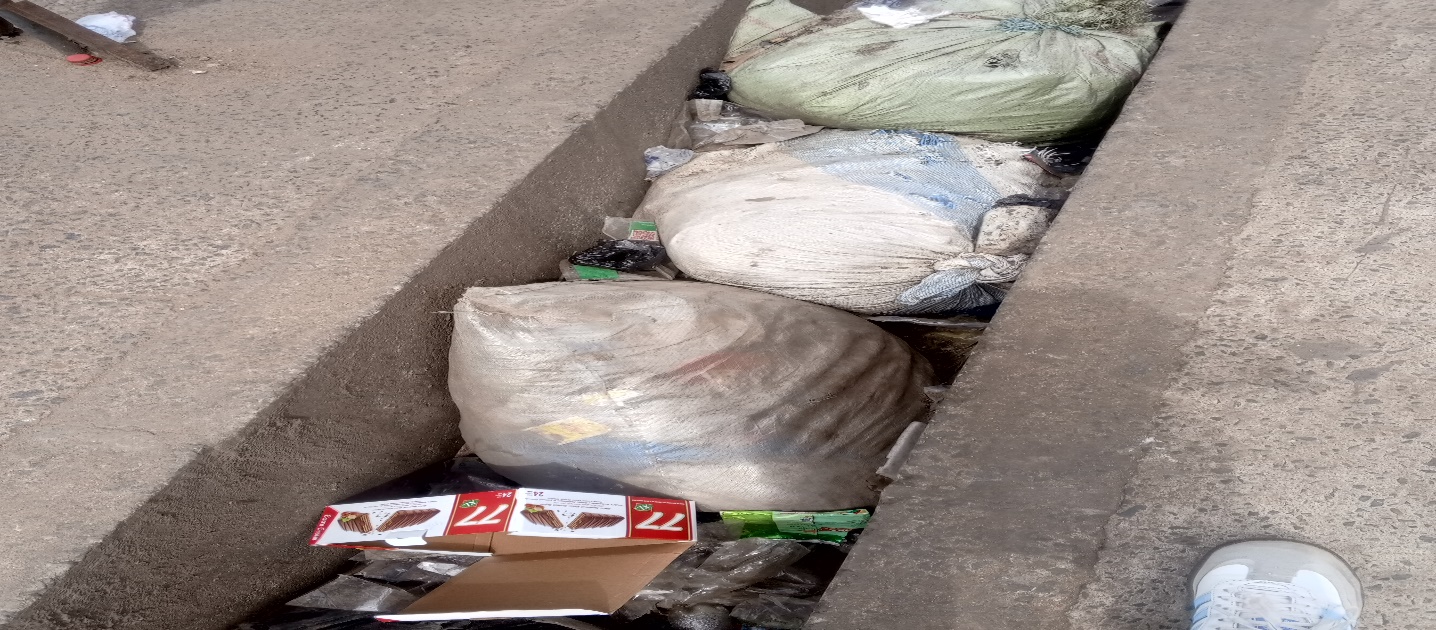
Especially residents of Monrovia and its surroundings who, instead of keeping the drainages clean for the control and free flow of water, the drainages have become our permanent dumping sites for wastes.
Liberians, the habitual behaviors of dumping our huge stockpile of wastes or garbage in drainages along various streets and roads, including the mainly drainages in some communities, are done by residents of the areas, the marketers and business people, which is not augur well for the us all.
Take a walk and look along the newly constructed Japanese Highway (Formerly Somalia Drive), from the heart of the Commercial District of Red Light heading to the 72nd Community onward, the drainages are full with waste or garbage. From the roundabout toward the Parker Paint up to FDA Junction, the drainages are also full. Also heading to the same roundabout toward Police Academy, onward to the Paynesville General Market, not too far from ELBC Station, you will also see waste and garbage.
What Relevant Government Institutions are doing?
While it is the residents of Monrovia and its environs responsibilities too to ensure the drainage systems are not misused by throwing their waste and garbage in them, there are institutions of government with the statutory mandate to ensure one hundred percent that the drainages are kept clean by enforcing the rightful laws.
Those institutions are Monrovia City Corporation (MCC), Paynesville City Corporation (PCC), and Township Commissioners, the Liberia Market Association (LMA, the Environmental Protection Agency (EPA) and Liberia Water and Sewer Corporation (LWSC) as well as the Ministry of Public Works.
Let’s briefly look at these institutions’ roles:
The Environmental Protection Agency (EPA) shapes drainage systems by regulating stormwater and wastewater runoff to prevent water pollution, reduce flooding and protect aquatic ecosystems.
The Public Works Ministry (PWM) is the central government authority responsible to design construction and maintenance of public infrastructure. In the context of drainage systems (stormwater and urban runoff), the Ministry plays a vital role in preventing flooding and ensuring that water is safely routed away from roadways and communities.
Monrovia City Corporation (MCC) and Paynesville City Corporation (PCC)
These two entities play primary roles in the regulation, education (awareness), and maintenance of keeping the drainages clean, in collaboration with the Public Works Ministry.
MCC and PPC ensure the network is ongoing properly to prevent flooding and protect public health.
Liberia Marketing Association (LMA)
The Liberia Marketing Association (LMA) can play a vital role in keeping drainages function by enforcing strict market waste or garbage management and preventing it from reaching the drainages.
LMA can do this by working closely with MCC and PCC, through proper and effective waste collection, enforcement regulation and awareness on the good way to handle their waste or garbage in the various markets.
Liberia Water and Sewer Corporation (LWSC)
Is mandated to manage wastewater and sewerage infrastructure. It focuses on managing the city’s sanitary sewer networks to prevent overflows and blockages that exacerbate street flooding and public health risks.
As part of the LWSC role, it is to partner with the Public Works Ministry, MCC and PCC to demolish unauthorized structures and markets built directly over waterways and drainage systems restoring natural flow of water.
To do away with all these negative impacts of the Disgusting Monrovia and its environs drainage systems, let the relevant government’s ministries and agencies collaborate to ensure the drainages are constantly clean, and stop residents from using the drainages as dumping sites for their waste or garbage.
But failure to do so, the dumping of waste or garbage will accumulate daily, which will be a serious risks to the human, animals, environment, and infrastructure.
There are Punishments for Dumping Waste in Drainage
Studies from environmentalists and in line with city ordinances, there are punishments for illegal dumping waste or garbage in drainage systems. These punishments can be severe, and range from civil penalties, criminal prosecution and imprisonment.
The severity of the punishments depends on the volume and nature of the waste or garbage, as well as the intent behind the dumping.
These punishments are designed to deter illegal dumping and protect the environment from the harmful effects of waste or garbage disposal.
The studies also show that violators face Civil Punishments that can exceed US 124,000 per day, with potential fines that can reach up to US 1,000,000 for organizations.
Criminal Punishments individuals can face criminal charges, with punishments that include fines, imprisonment, and restitution for cleanup costs.
Repeat Offenders repeat offenders may face additional punishments, such as mandatory community service and vehicle impoundment.
It is crucial for individuals and communities to be aware of the laws and take appropriate measures to prevent illegal dumping.
Liability property owners can be held liable for the cleanup costs incurred by the government if they discover illegal dumping on their property.
This studies on punishments of illegal dumping waste or garbage are not pointing to Liberia, but I am of the conviction that there are policies on waste or garbage handling in Liberia, as well as city ordinances by the Environmental Protection Agency (EPA), the Monrovia City Corporation (MCC) and Paynesville City Corporation (PCC).
If there are policies with penalties on waste handling and illegal dumping, then there is a need for it to be enforced and implemented or else, the drainages in and around Monrovia will continue to be a dumping site.
Moreover, if Liberia does have the policies, it will be vital for residents and the various communities to be educated on the policies, and the institutions take appropriate measures to prevent illegal dumping.
In relation to what this article is about: Liberia’s Information Minister, Jerolinmek Matthew Piah, disclosed that the Japanese Government Representatives in Liberia, have raised serious concerns over the way, we Liberians are treating the newly Japanese Highway (Formerly Somalia Drive) on the dumping of waste or garbage in the drainages along the road.
Minister Piah, while Liberia’s international partners are helping us to develop and beautify our capital and its environs, we are undermining the very efforts of the partners, the government and our very selves, which does not augur well for the country.
So my earnest appeal to us all is to change our mentality on the way our drainage system is looking, which has led me to write this article: The Handling of Liberia’s Disgusting Drainage System: “How can Liberians Address It.”
About the author:
Mr. Jonathan O. Grigsby, Snr. is a member of the Water Sanitation and Hygiene (WAS) Reporters and Editors Network, holds a certificate in Professional Studies in Environmental and Social Impact Assessment (ESIA).
Contact: +231 7760 69170/ 231 8867 21782 or jogrigsby7@gmail.com
