
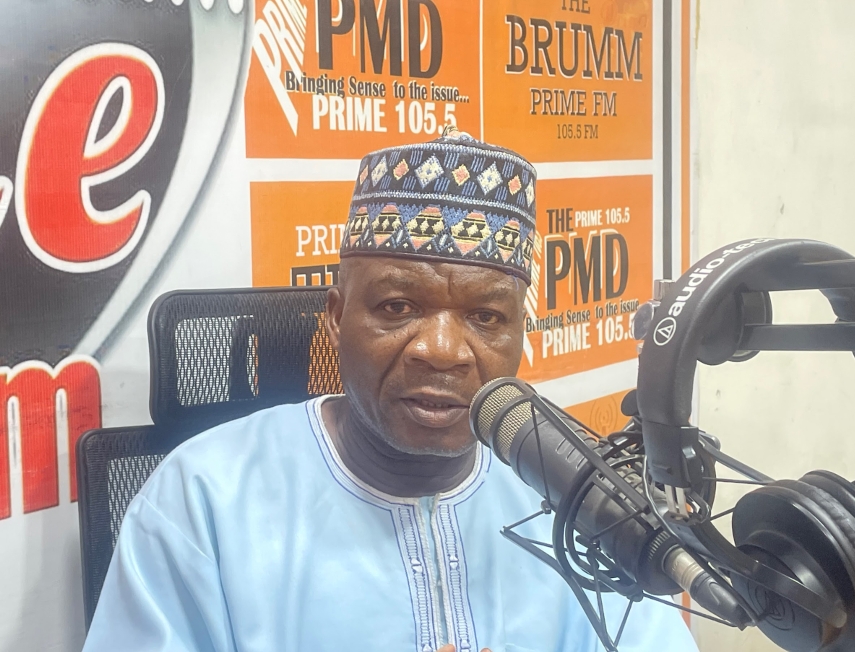
-Chief Imam Ali Krayee Speaks on Rape Allegations
By Staff Writer
Liberia’s Chief Imam, Ali Krayee, has raised concerns about wrongful accusations, saying some individuals have been imprisoned based on false claims driven by personal grievances or political motives.
Krayee made the remarks Monday, April 6, 2026, when he appeared on a Men Against Rape and Domestic Violence (MARDV) program titled “Protecting Our Women and Children From Rape and All Forms of Violence” on Prime FM.
While strongly condemning rape and domestic violence, Krayee cautioned that false accusations could undermine efforts to combat such crimes.
He said authorities must carefully investigate allegations to ensure justice for both victims and the accused.
“There are people committing serious crimes and harming society, but there are also those who make false claims to damage others,” he said.
When asked to identify individuals he believes were wrongly accused and imprisoned, Krayee declined to provide names, saying he would do so at an appropriate time.
He emphasized that his immediate concern was the reputational harm caused by false allegations.Krayee also declined to comment on specific cases, including those involving Bryant McGill and Samuel Jackson, noting that he would address them at a later date.
He urged law enforcement agencies and the courts to thoroughly verify rape and domestic violence allegations before filing charges, warning that wrongful accusations can have consequences similar to those experienced by victims.
“The same way a victim suffers discrimination and psychological trauma is the same way someone falsely accused can suffer,” he said.
Addressing early marriage within the Muslim community, Krayee said Sharia law does not explicitly forbid it.
However, he stressed that Muslims in Liberia must abide by national laws, which prohibit underage marriage.
He said he does not support parents who marry off underage daughters but also expressed concern about minors engaging in sexual activity outside of marriage, which he said violates both legal and moral standards.
Krayee criticized what he described as inconsistencies among some parents, who object to early marriage but overlook underage sexual relationships. On broader societal issues, he said Liberia’s traditional values have eroded, contributing to social challenges.
He noted that elders once played a stronger role in guiding younger generations but suggested that this dynamic has weakened as those same people have become abusers of the younger ones.
Krayee called on the government to invest in restoring positive cultural values, which he said are rapidly declining and essential to addressing social problems.
