
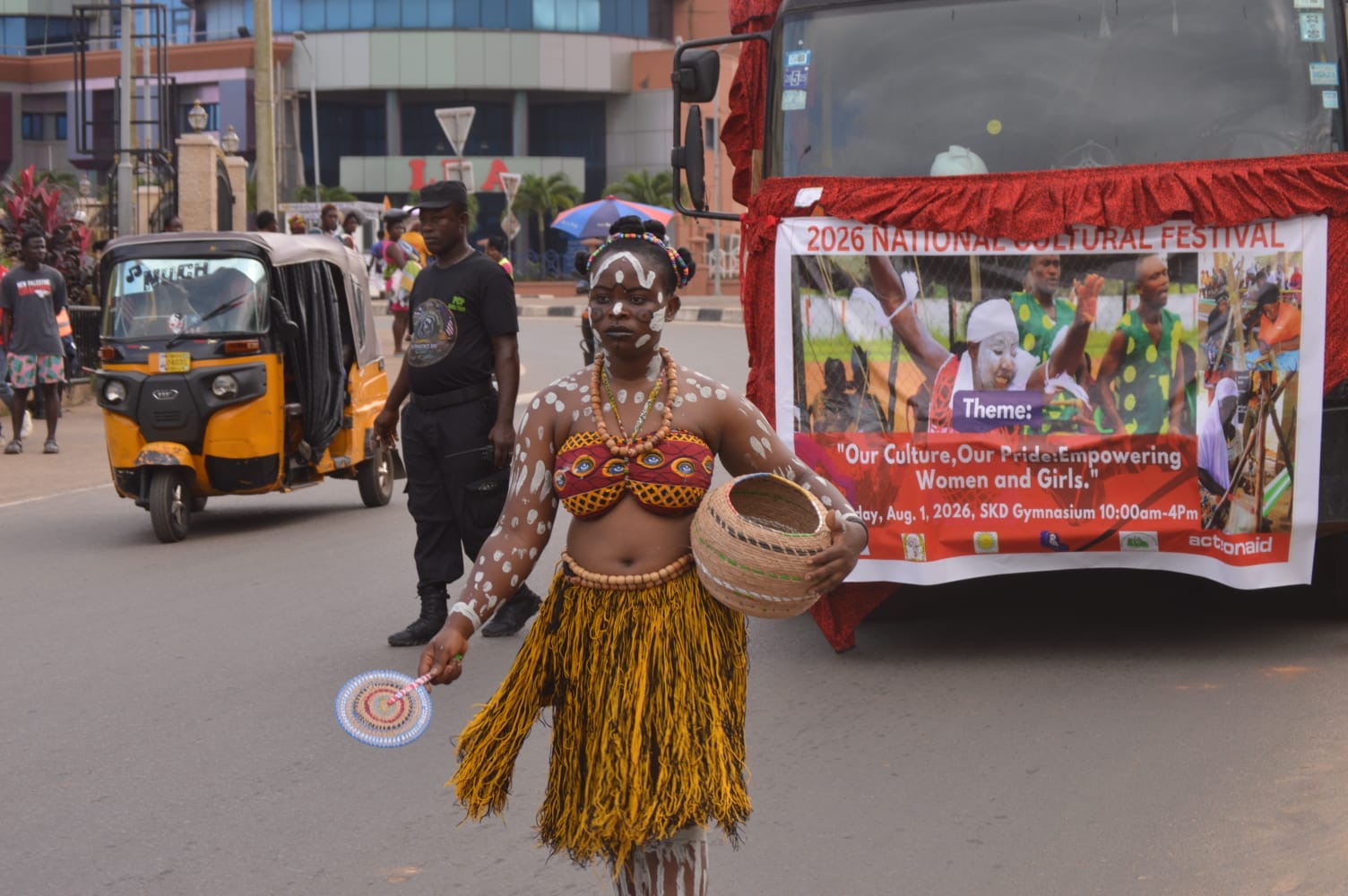
A lady doctorates in African attire during the parade/ image by Matthew Jacobs
By Mark N. Mengonfia
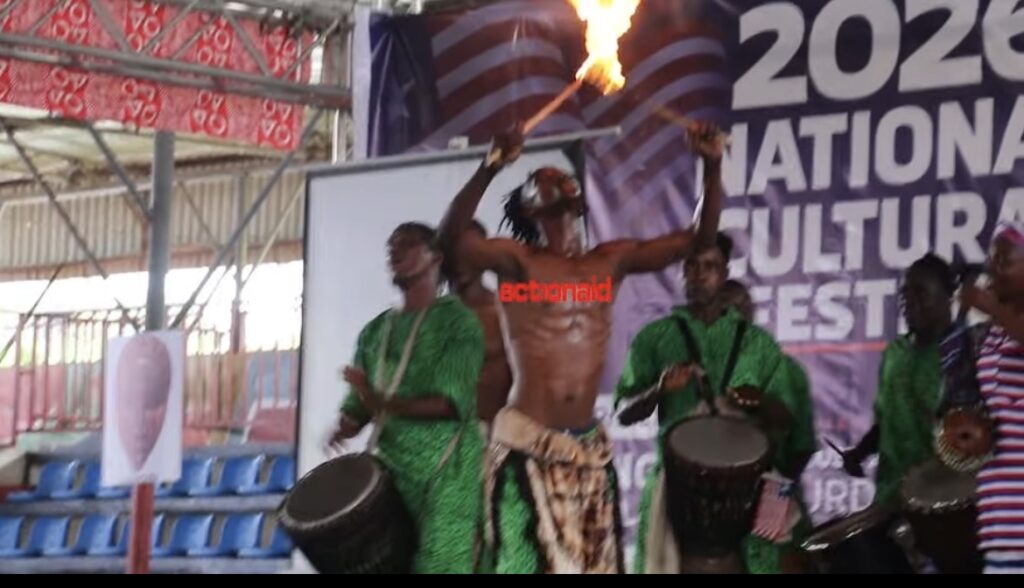
The rhythmic beat of traditional drums echoed through the streets of Paynesville as colorful processions of dancers, elders, women, and youth transformed the city into a living museum of Liberia’s rich cultural heritage. Participants dressed in traditional attire representing different ethnic groups and counties, hundreds of Liberians gathered on August 1, 2026, not merely to celebrate culture, but to reconnect with their identity and pass it on to a new generation.
For many in attendance, the festival was more than a day of entertainment. It was a reminder that culture is the thread connecting Liberia’s past, present, and future.
Liberia is home to more than 16 ethnic groups, each with its own unique language, customs, traditional leadership systems, music, dances, folklore, and craftsmanship. Long before the country’s independence in 1847, indigenous communities such as the Kpelle, Bassa, Gio, Mano, Kru, Grebo, Vai, Gola, Kissi, Lorma, Mandingo, Belleh, and others had established thriving societies built on strong cultural values.
Traditional institutions, including the Poro and Sande societies, have historically played important roles in educating young people about leadership, morality, community responsibilities, and cultural identity. Across Liberia, storytelling, drumming, mask dancing, weaving, wood carving, basket making, and indigenous languages have remained central pillars of community life for generations.
Today, many young Liberians like Tarous Tettah grow up speaking English while knowing little about their ancestral languages or customs. Cultural festivals have therefore become important platforms for preserving Liberia’s heritage while introducing younger generations to their roots.
This is one reason that took little Tarous to the festival.
This year’s cultural festival celebrated under the theme “Our Culture, Our Pride: Empowering Women and Girls,” was organized by ActionAid Liberia in collaboration with its partners.
Representatives from Montserrado, Margibi, Bong, Gbarpolu, and Grand Gedeh counties proudly displayed performances that reflected the richness and diversity of Liberia’s cultural landscape.
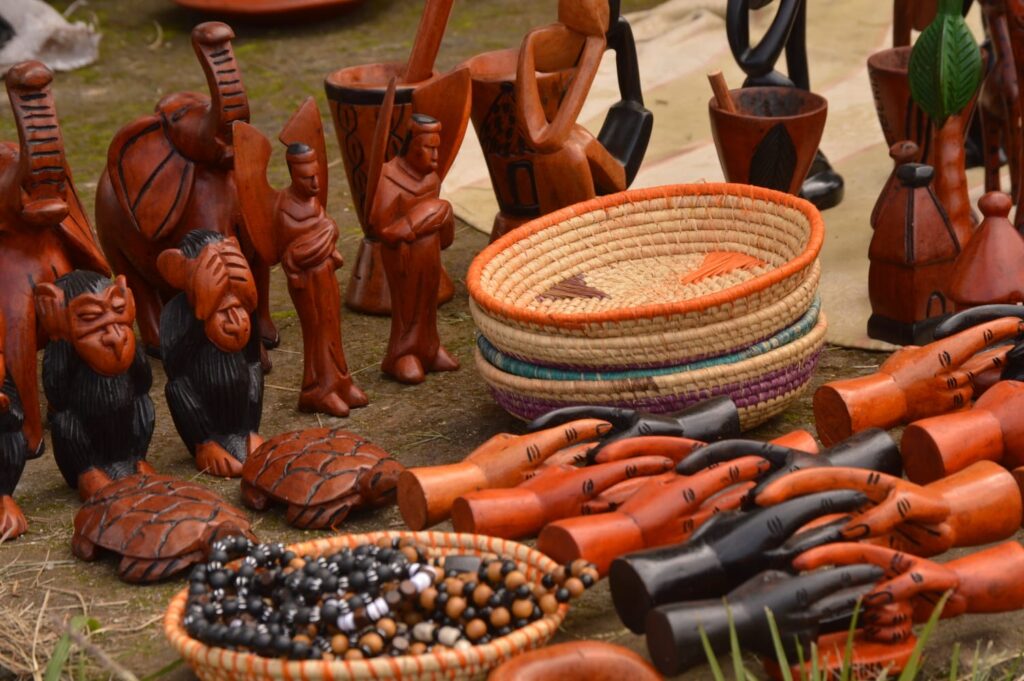
The event featured energetic mask dancing, traditional music, cultural processions, old songs by Malayala-Balawala, indigenous songs, and displays of locally made crafts. Visitors explored exhibitions of handwoven textiles, baskets, decorations, and other traditional materials commonly used in homes, ceremonies, and community celebrations.
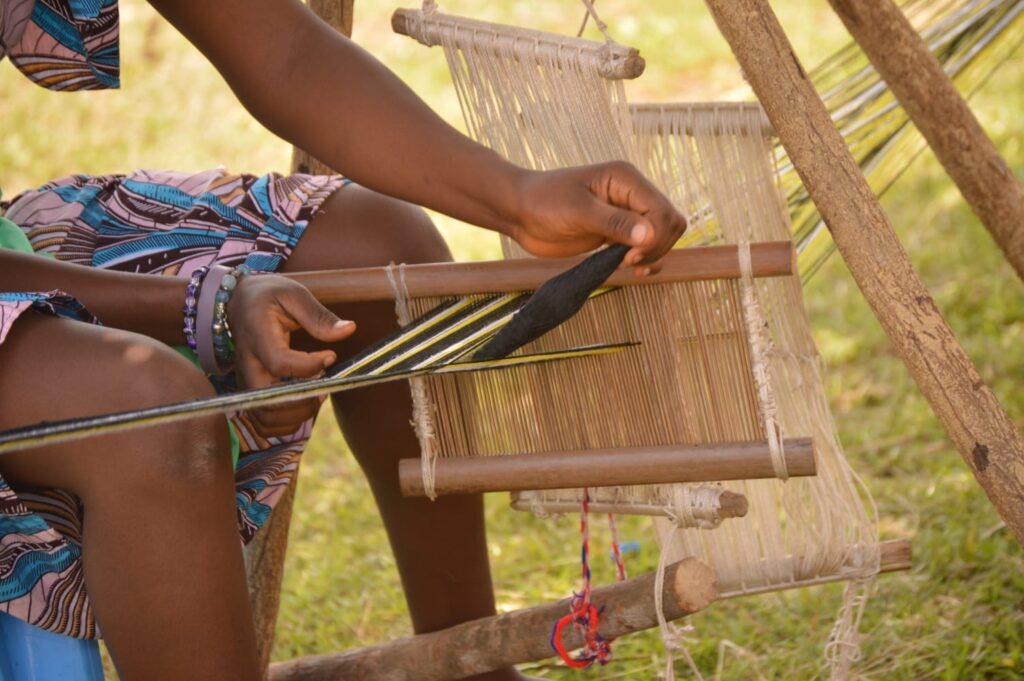
Artisans also demonstrated the intricate process of weaving traditional cloth, giving many young people a rare opportunity to witness a craft that has been passed down through generations.
Before the performances got heated up, participants proudly wore traditional attire identifying their counties and ethnic backgrounds. For first-time attendees, the experience offered an opportunity into Liberia’s cultural diversity. For older Liberians, it revived cherished memories of growing up in rural communities where culture shaped everyday life.
Speaking during the celebration on behalf of Montserrado County Superintendent Whroway Bryant, a proxy praised the festival for promoting national unity through culture and encouraged Liberians to preserve their traditions.
Beyond the colorful displays, organizers emphasized that culture must continue evolving to reflect modern values of equality and inclusion.
Delivering the keynote address, Gbarpolu County Superintendent Sam K. Zinnah urged Liberians to become custodians of their cultural heritage while ensuring that traditions promote dignity and equal opportunities for women and girls.
“Our culture is our history, our identity and the foundation of who we are. Culture must also grow. A culture that truly represents us must protect women and girls, promote equality, and create opportunities for everyone” the Gbarpolu Superintendent said.
He expressed concern that many young Liberians no longer speak their indigenous languages or fully understand the traditions of their ancestors.
According to Superintendent Zinnah, preserving culture should go hand in hand with empowering women through education, economic opportunities, leadership, and participation in decision-making.
“When a woman becomes economically independent,” he noted, “she strengthens her family, empowers her community, and contributes to national prosperity.”
The festival also became a platform for community voices where beneficiaries shared their experiences of the positive cultural values.
They shared testimonies describing how support from the organization had improved livelihoods, expanded economic opportunities, and strengthened the confidence of women and girls across several communities.
Among the cultural groups that captured public attention was a delegation from Grand Gedeh County led by cultural performer Atilas A. Kai.
His team, decorated with traditional white body markings and carrying large drums during the parade, attracted admiration from spectators while other counties like Gbarpolu paraded with mask dancers.
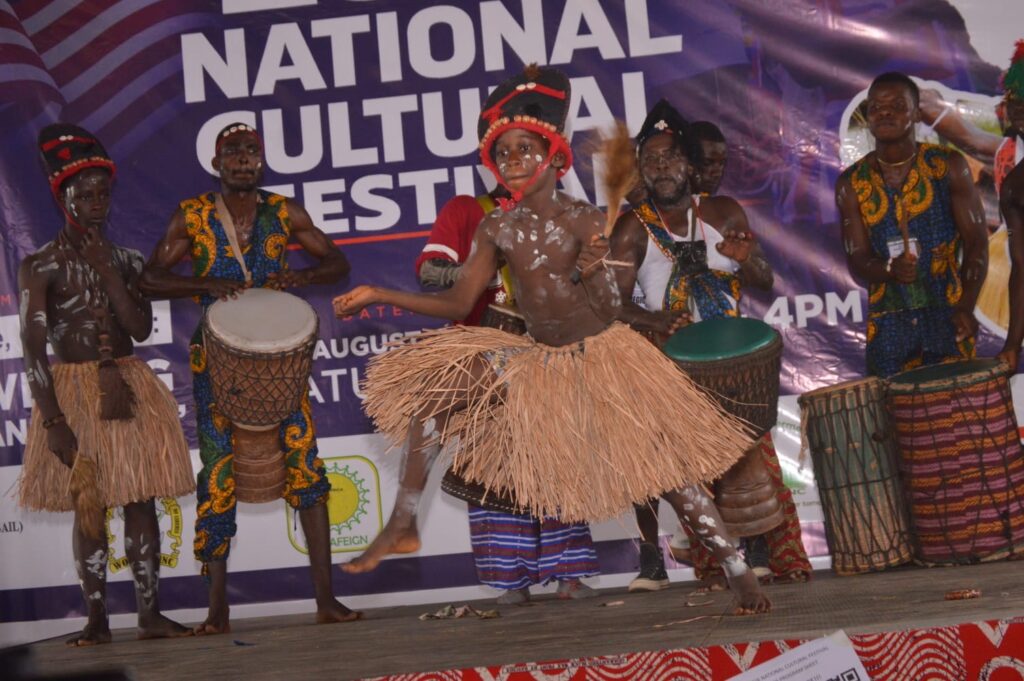
Kai explained that communities in Grand Gedeh are working to preserve the educational and positive aspects of their traditions while gradually abandoning harmful cultural practices.
His remarks reflected a growing national conversation about protecting cultural identity while promoting human rights and social progress.
For old man Dorbor Mawolo of Gbarpolu County, preserving Liberia’s heritage is a responsibility that belongs to every generation.
Dressed in traditional African attire, he proudly said they came with mask dancers and locally crafted items from his county.
“We have come to witness the culture of Liberia,” he said.
“We have a rich culture, mask dancers, and many locally made items that we have brought to showcase.”
Perhaps the most touching reminder of why such festivals matter came from young Tarous Tettah.
“I live in Duazo, but my parents told me we are from Maryland County,” she said.
Although she knows very little about her family’s cultural traditions, she attended the festival hoping to learn more. She even attempted greeting visitors in her parents’ native language, demonstrating her desire to reconnect with her roots.
Her experience echoed concerns shared by many parents and cultural advocates who fear that indigenous languages may disappear if they are not taught at home.
Madam Alice Zinah therefore encouraged parents to actively teach their children their native languages, customs, and values, saying cultural education helps raise respectful and responsible citizens.
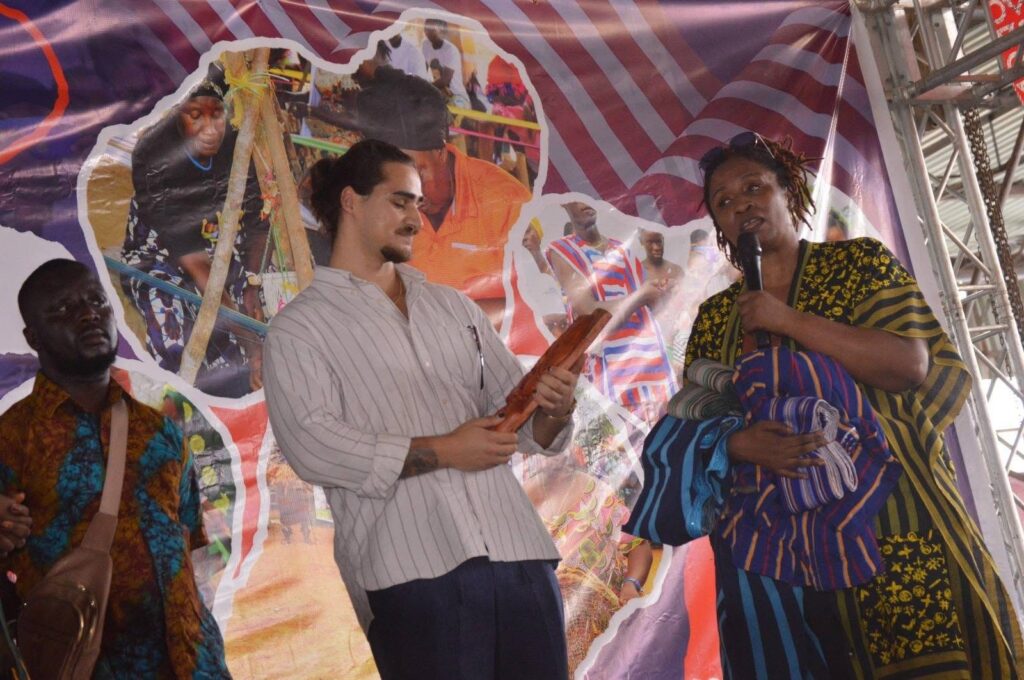
One of the festival’s moments came when ActionAid Liberia honored the Embassy of Sweden in Liberia for its longstanding support toward women’s rights, gender equality, and community development.
The presentation of gifts to Karl Backéus, Ambassador of Sweden to Liberia and Sierra Leone, drew emotional reactions from beneficiaries and development partners as he prepared to conclude his diplomatic mission in Liberia.
The tribute reflected the strong partnerships that have helped support community development initiatives while promoting the rights of women and girls throughout the country.
As the final drumbeats faded and dancers exited the stage, one message remained clear: Liberia’s cultural heritage is far more than colorful clothing, music, or performances. It is the nation’s living history, a source of identity, resilience, and unity.
The celebration served as a reminder that preserving culture requires more than annual festivals. It depends on families teaching indigenous languages, communities preserving traditional knowledge, young people embracing their roots, and national leaders creating space for culture to thrive alongside development.
In celebrating their traditions, Liberians were also celebrating who they are, and ensuring that the stories, languages, and customs of their ancestors continue to inspire generations yet to come.
